
Common Myths About Portable Classrooms
Portable classrooms are often misunderstood. Some schools still associate them with outdated trailers, limited design options, or low-quality temporary space. In reality, modern portable classrooms can provide code-compliant, well-designed learning environments that support both short-term and longer-term school needs.
Below, we break down seven common myths about portable classrooms and explain what school administrators should really know when evaluating modular classroom options.
Myth #1: Portable Classrooms Lack Design Flexibility
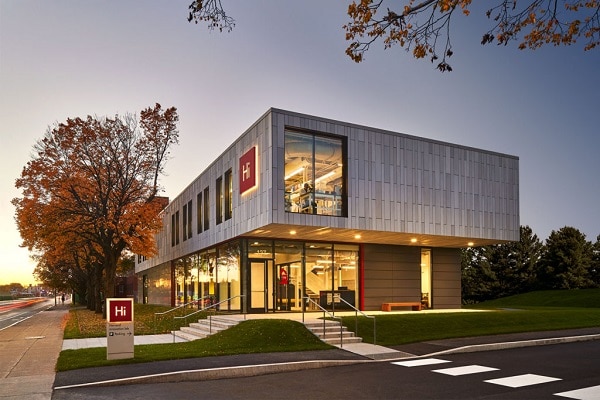
Many people assume portable classrooms are basic, uniform spaces with little room for customization. In practice, modular classroom designs can be configured to support a wide range of school needs.
- Flexible Layouts: Schools can choose from straightforward classroom layouts or more complex multi-room configurations.
- Campus Compatibility: Exterior finishes and design details can often be selected to better align with the existing campus.
- Scalable Design: Modular construction can support everything from small classroom additions to larger, more specialized facilities.
Myth #2: Portable Classrooms Don’t Save Time
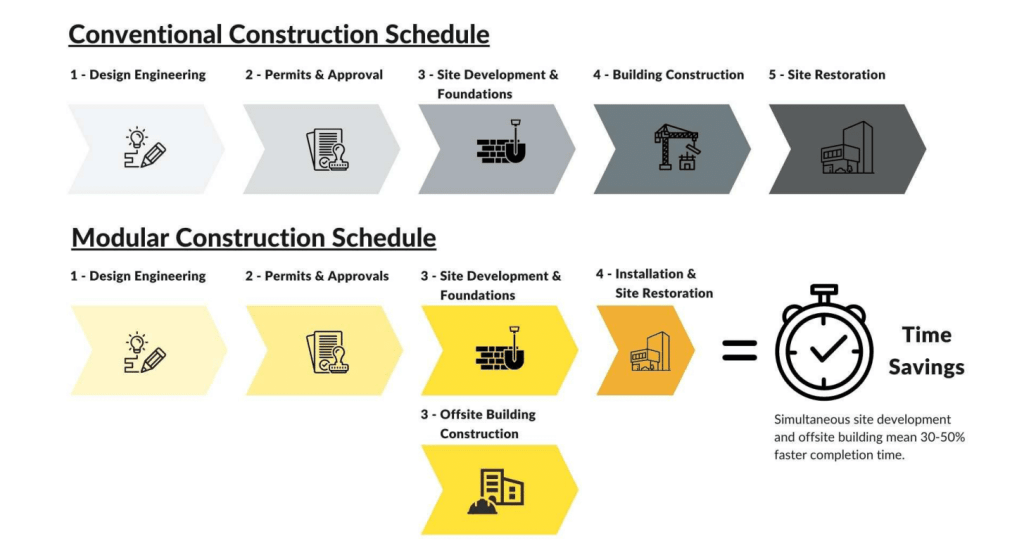
Another common misconception is that portable classrooms take as long to deliver as traditional site-built structures. Modular construction can often shorten the timeline by moving much of the work off site.
- Parallel Progress: Off-site fabrication and on-site preparation can happen at the same time.
- Faster Occupancy: Schools can often occupy modular classrooms sooner than they could with many traditional construction schedules.
- Reduced Disruption: Less on-site construction can help schools continue operating during the project.
Myth #3: Portable Classrooms Aren’t Eco-Friendly
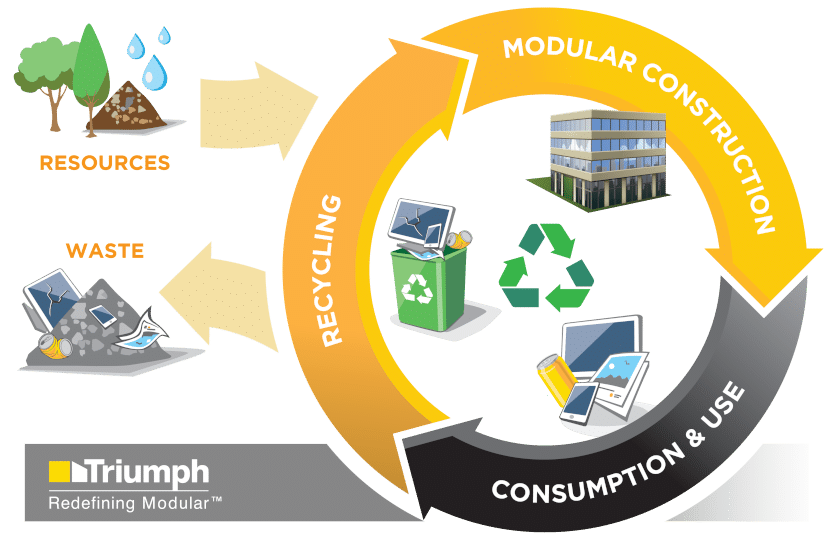
Portable classrooms are often seen as a purely short-term solution, but modular construction can also support more efficient use of materials and reduced site impact.
- Less Material Waste: Factory construction can improve material control and reduce waste.
- Reduced Site Disturbance: Less on-site activity can help reduce disruption on occupied campuses.
- Protected Construction Environment: Indoor fabrication can reduce weather-related damage to materials.
Myth #4: Portable Classrooms Lack Energy Efficiency
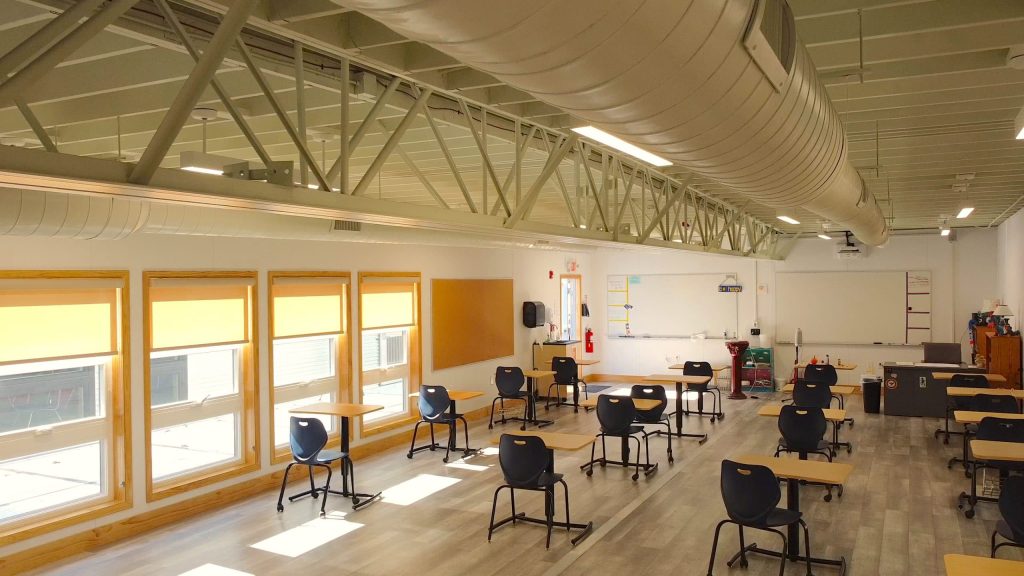
Modern portable classrooms can incorporate energy-efficient materials, HVAC systems, and daylighting strategies that support comfort and operational performance.
- Efficient Building Systems: Modern windows, insulation, and HVAC systems can improve energy performance.
- Comfortable Interiors: Better lighting, ventilation, and temperature control support daily classroom use.
- Longer-Term Value: Efficient design can help schools manage operating costs more effectively.
Myth #5: All Portable Classrooms Are Just Trailers
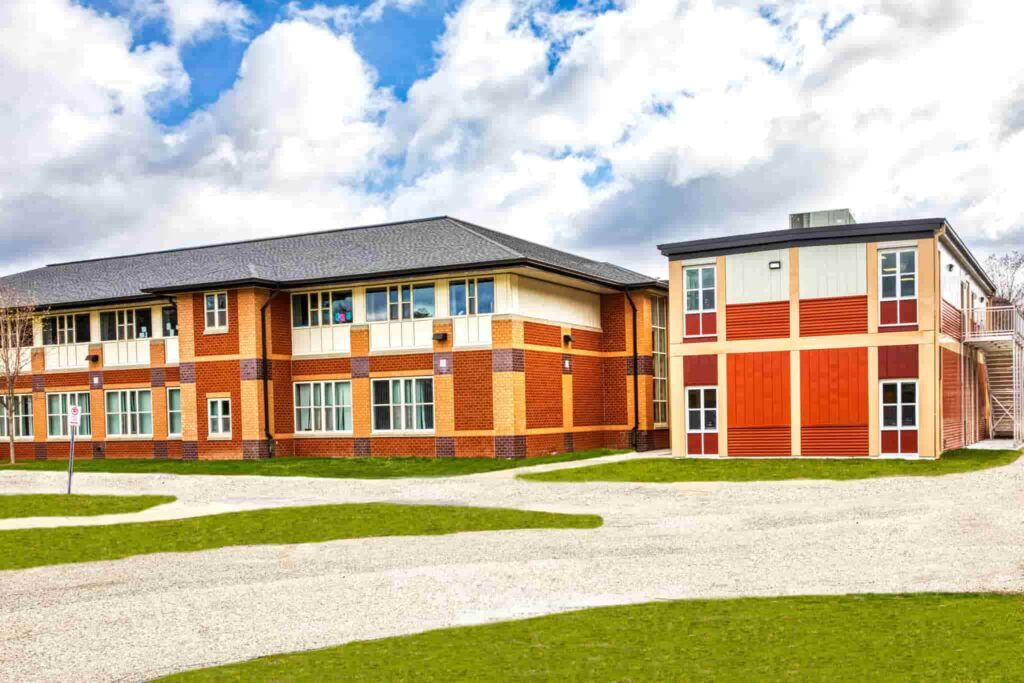
Portable classrooms are sometimes lumped together with generic trailers, but modular classrooms are purpose-built educational spaces designed around student, teacher, and school requirements.
- Education-Focused Design: Portable classrooms are designed for learning environments, not simply repurposed office space.
- Range of Configurations: Schools can choose from single-classroom units, multi-classroom layouts, and more advanced modular configurations.
- Project-Specific Planning: Layout, accessibility, support space, and finishes can all be aligned to school needs.
Myth #6: Portable Classrooms Aren’t Safe
Portable classrooms are required to meet the same applicable safety and code standards as other school buildings used for occupancy.
- Code Compliance: Portable classrooms are designed to meet applicable building, accessibility, and life-safety requirements.
- Educational Use Standards: School projects must still address occupancy, fire protection, egress, and related code issues.
- Reliable Performance: When properly designed and installed, portable classrooms can provide safe, functional learning space.
Myth #7: Portable Classrooms Are Lower Quality
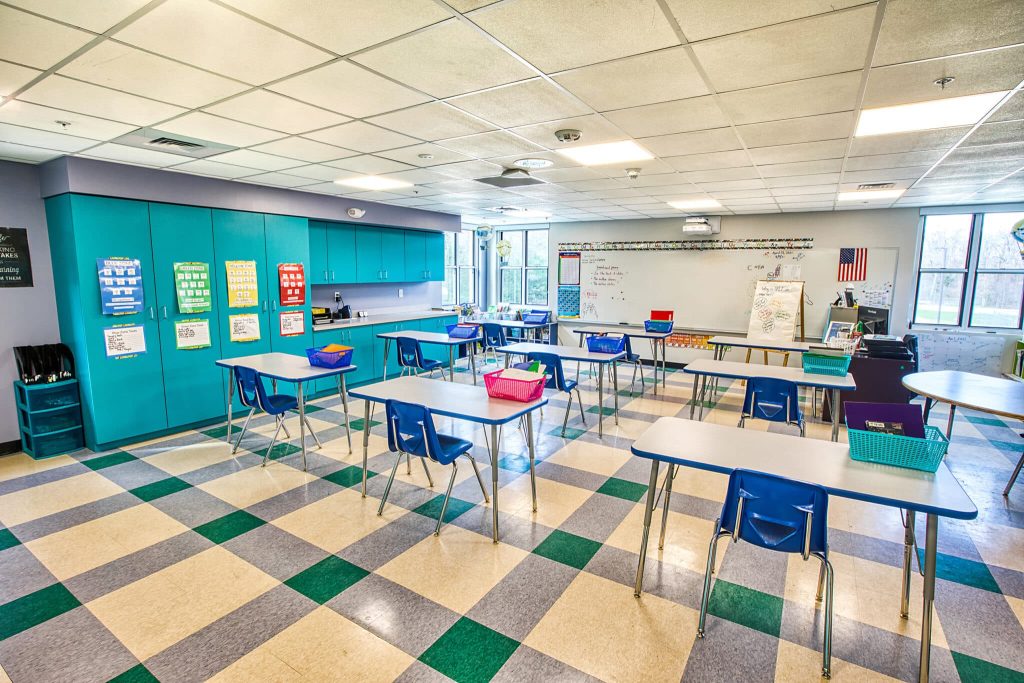
The idea that portable classrooms are inherently lower quality is outdated. Modern modular classrooms can provide durable materials, well-finished interiors, and strong day-to-day functionality.
- Consistent Construction: Factory-built construction can support better quality control and more consistent execution.
- Modern Features: Portable classrooms can include durable finishes, efficient HVAC, natural light, and school-specific features.
- Proven School Use: Many districts use modular classrooms successfully for both temporary and long-term planning needs.
Want to learn more about portable classrooms for your school? Download our Guide to Mobile Classrooms or request a classroom quote to discuss your project.
Learn More About Portable Classrooms in Our Guide
Looking for more information about portable classrooms and modular classroom planning?
Our Guide to Mobile Classrooms covers costs, permits, timelines, and layout options to help schools evaluate the right classroom solution for temporary or permanent needs.
If you would like pricing for a permanent modular classroom or temporary portable classroom, request a classroom quote here.


